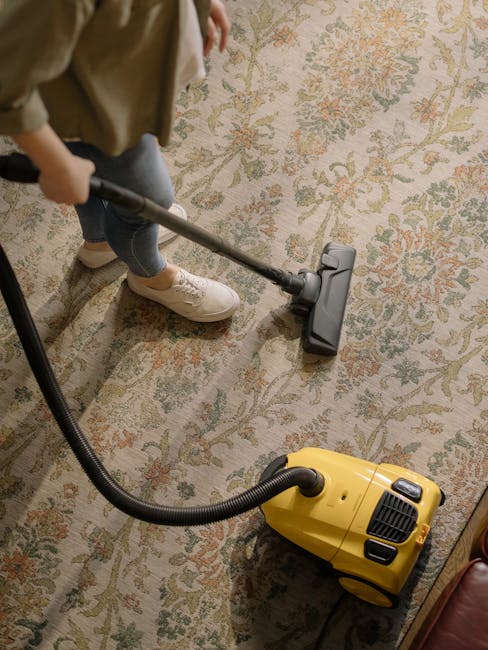
Queensway carpet cleaning and stain removal Bayswater: a practical guide for cleaner carpets and fewer headaches
If you have ever looked down at a wine mark, a muddy footprint, or that mysterious dark patch by the sofa and thought, "Right, now what?" you are exactly who this guide is for. Queensway carpet cleaning and stain removal Bayswater is not just about making fibres look nicer for five minutes; it is about restoring a room so it feels fresh, healthy, and properly lived in again. In a busy London home, especially where people walk in and out all day, carpets take a beating. Add pets, takeaway spillages, rain-soaked shoes, and the occasional DIY mishap, and, well, things get messy fast.
This article walks through how carpet cleaning and stain removal actually works, which problems respond well to treatment, what to avoid, and how to choose the right approach for your property in Bayswater and the Queensway area.
Contents
- Why Queensway carpet cleaning and stain removal Bayswater matters
- How Queensway carpet cleaning and stain removal Bayswater works
- Key benefits and practical advantages
- Who this is for and when it makes sense
- Step-by-step guidance
- Expert tips for better results
- Common mistakes to avoid
- Tools, resources and recommendations
- Law, compliance, standards, or best practice
- Options, methods, or comparison table
- Case study or real-world example
- Practical checklist
- Conclusion
- Frequently asked questions
Why Queensway carpet cleaning and stain removal Bayswater matters
Carpet cleaning is often treated as a "nice to have" until a stain becomes impossible to ignore. Truth be told, that is when most people start searching. But there is a bigger reason this service matters in Bayswater and around Queensway: carpets act like filters. They collect dust, crumbs, pollen, grit from the street, pet hair, and whatever else gets carried in on shoes. Over time, all that debris settles deep into the pile and starts making the room look tired, even if you vacuum regularly.
In homes near Queensway, where foot traffic can be constant and properties may be compact, carpets can age quickly. In flats, shared hallways, or rented homes, a stained carpet can also affect first impressions. Nobody wants guests stepping into a room that smells faintly damp or looks patchy under the daylight. That weakens the whole feel of the space.
Stain removal matters too because different spills behave differently. A coffee mark is not the same as grease, red wine, ink, or pet accidents. Some marks can be lifted with the right method; others need a patient, staged treatment. If you go in too hard, you can spread the stain, bleach the fibres, or leave a water ring behind. Annoying, yes. Common, also yes.
For households, landlords, tenants, and small businesses in the area, proper carpet care helps protect the finish of the flooring, maintain comfort underfoot, and reduce the need for early replacement. If you are also considering a broader reset for the property, services such as deep cleaning or one-off cleaning can complement carpet work nicely.
Expert takeaway: the best carpet results usually come from matching the cleaning method to the fibre, the stain, and the age of the mark. That sounds simple. It rarely is.
How Queensway carpet cleaning and stain removal Bayswater works
Good carpet cleaning is a process, not a quick spray-and-wipe job. The right method depends on what is on the carpet and what the carpet is made of. Wool, synthetic blends, and delicate loop pile carpets all respond differently. A cleaner will usually begin with an inspection: colourfastness, pile condition, stain type, wear patterns, and any problem areas like traffic lanes or pet zones.
The basic workflow normally looks like this:
- Inspection and identification - checking fibre type, stain type, and any existing damage.
- Dry soil removal - vacuuming and loosening grit so it does not turn into mud during cleaning.
- Pre-treatment - applying suitable solutions to break down stains and embedded dirt.
- Agitation - gently working the product into the fibres where needed.
- Extraction or lifting - removing the soil and cleaning agent using the appropriate technique.
- Spot treatment - targeting persistent marks separately, rather than scrubbing the whole carpet again.
- Drying and finishing - managing moisture so the carpet dries evenly and does not develop odour or browning.
For many carpets, steam-based extraction is a strong option. It is often referred to as hot water extraction, although people commonly call it steam carpet cleaning. If your carpet needs a deeper refresh, that can be a smart route. For delicate or specialist fabrics, a gentler stain removal approach may be the better fit, and in some cases rug cleaning or upholstery cleaning may be relevant at the same time.
Stain removal is more like detective work. Is the mark water-based? Oil-based? Protein-based? Is it fresh or set? Was it previously treated with a supermarket cleaner that has left a residue? These details matter more than people realise. A little kitchen spray may help in a pinch, but if the stain has bonded with the fibres, the fix needs more care.
Key benefits and practical advantages
The obvious benefit is a cleaner-looking carpet. But that is only the start. A proper clean improves the feel of the whole room in a way that you notice almost immediately. The air can smell fresher, the pile stands up better, and tired traffic areas stop looking grey and flattened.
Here are the most practical advantages:
- Better appearance - stains, shading, and general dullness are reduced.
- Improved hygiene - embedded dust and grime are lifted out rather than moved around.
- Longer carpet life - grit and abrasive soil can wear fibres down over time.
- Odour control - especially useful for pet accidents, food spills, and damp patches.
- Better room presentation - important for rentals, guest stays, and client-facing premises.
- More comfortable living space - the room simply feels better underfoot.
There is also a maintenance benefit that people often miss. Once a carpet has been professionally cleaned, day-to-day vacuuming becomes more effective because the fibres are freer from residue. That means the carpet tends to stay looking decent for longer, which is handy if you are juggling a full household or a busy office.
For landlords and tenants, carpet condition can matter at the end of a tenancy. Pairing carpet care with end of tenancy cleaning or move out cleaning can make the whole property look more presentable and reduce last-minute stress. To be fair, that stress is usually the real problem, not the carpet itself.
Who this is for and when it makes sense
Queensway carpet cleaning and stain removal Bayswater makes sense for a wide range of people. It is not just for homes with obvious damage. Some carpets quietly deteriorate over months, and the change is so gradual you barely notice until sunlight hits the room and reveals everything. A bit brutal, but there it is.
Households and families
Families with children, pets, or heavy foot traffic usually benefit most. Crumbs, marker pen, juice spills, and muddy shoes all add up. If you also have soft furnishings taking a hit, it may be sensible to combine carpet work with sofa cleaning or mattress cleaning.
Renters, landlords, and letting situations
Rental properties often need carpets brought back to a neutral, tidy state before new occupants arrive. A good clean can help with presentation and reduce complaints at handover. If the place needs more than a surface refresh, move in cleaning is a sensible add-on when you are preparing for fresh tenants or settling into a new place yourself.
Small businesses and offices
In offices, reception areas, and small commercial premises, carpet appearance shapes first impressions very quickly. Marks from chairs, rainwater, and daily footfall can make a space look older than it is. For these settings, office cleaning and commercial carpet cleaning often go hand in hand.
Guest lets and short-stay properties
Short-stay accommodation needs fast turnarounds and consistent presentation. If that is your world, you may also want to look at Airbnb cleaning. A stained hallway runner or visible landing mark can feel much bigger when the next booking is only hours away.
When does it make sense to book? Usually when vacuuming no longer changes the appearance, when a stain has set, when there is a smell you cannot place, or when a room needs to look properly reset. If you are staring at the same patch every day and hoping it will vanish on its own, it probably will not. Sorry.
Step-by-step guidance
If you want the best outcome, the job starts before the cleaner arrives. A little preparation helps, and the cleaner can get to work faster. Not glamorous, but effective.
- Identify the problem areas
Walk through the room and note every visible stain, traffic lane, and odour source. It helps to point out old spill marks rather than assuming they will be noticed straight away. - Vacuum thoroughly
Dry soil should come out before wet treatment starts. If not, the carpet can turn muddy, which is exactly the opposite of what you want. - Check for fibre sensitivity
Delicate carpets and rugs may need a milder process. If you are unsure, do not test random products in a corner with confidence. That is how colour loss happens. - Choose the right method
Steam extraction works well for many synthetic carpets. Some stains and fibres need targeted spot treatment instead. If pet marks are involved, a specialist option like pet stain odour removal can be useful. - Treat the stain carefully
Work from the outside in. Blot, do not rub. Rubbing is a classic mistake and, honestly, it just makes more work later. - Extract moisture properly
Too much water can cause slow drying, underlay dampness, or a faint stale smell. Good extraction matters as much as the cleaning solution. - Allow enough drying time
Keep foot traffic low until the carpet is dry. Open windows if appropriate, use airflow where possible, and avoid placing heavy furniture back too soon. - Review the result
Check the carpet in daylight if you can. Some stains look gone when the room is dim, then reappear once the sun comes in at 4pm. Annoying, but better to spot it early.
If the room is part of a bigger reset, you could combine the appointment with domestic cleaning or house cleaning so the whole space feels coherent rather than half-finished.
Expert tips for better results
Here is where a bit of judgement goes a long way. The same stain can behave very differently depending on age, carpet type, and what has already been tried. If you want to improve the odds of success, keep these points in mind.
- Treat stains early - the sooner a spill is addressed, the better the chance of removal.
- Blot gently - pressing with a clean cloth is safer than scrubbing.
- Use less product than you think - over-wetting can create rings and residue.
- Test in a hidden area - especially on wool, patterned carpets, or older dyes.
- Work in stages - some marks need repeated light treatment rather than one aggressive round.
- Watch for hidden odours - sometimes the visible mark is small, but the smell points to deeper contamination.
- Think beyond the carpet - curtains, upholstery, and rugs can carry the same dust and smell profile.
One small but useful detail: if a stain has already been treated with multiple shop-bought products, tell the cleaner. Residue from previous attempts can change how the fibres react. It is a bit like arriving at a party halfway through a conversation; the context matters.
If your carpet sits near windows, don't forget surrounding surfaces either. Dust and soot can drift, and a room can feel cleaner overall when you pair carpet work with window cleaning or even curtain cleaning.
Common mistakes to avoid
Most carpet disasters are not dramatic. They are small mistakes repeated under stress. A cup spills, panic sets in, and three minutes later somebody has poured half a bottle of cleaner onto the patch. We've all seen it happen.
- Rubbing instead of blotting - this spreads the stain and can damage the pile.
- Using too much water - slow drying encourages odours and can distort the carpet.
- Mixing products - this is rarely a good idea and can leave residue or colour changes.
- Ignoring the underlay - a surface looks better, but the smell or dampness remains below.
- Waiting too long - old stains are harder to shift than fresh ones.
- Assuming every stain is the same - coffee, grease, ink, dye transfer, and pet accidents all need different handling.
- Replacing too quickly - some carpets look beyond saving, but many only need specialist treatment, not a bin bag.
In Bayswater homes, a common issue is traffic-lane dullness near entrances and hallways. People think the carpet is permanently damaged, but often it is just loaded with compacted dirt. A proper clean can change that more than expected.
Tools, resources and recommendations
You do not need a truck full of gadgets to maintain a carpet well, but the right basics help. If you are dealing with regular household spillages, these are the sensible items to keep nearby:
- an effective vacuum cleaner with a clean filter
- plain white cloths or absorbent towels
- a soft brush for gentle agitation
- bucket and clean water for controlled rinsing where appropriate
- a trusted spot treatment designed for carpets
- fans or open windows for better drying
For a broader refresh, it can also help to think in service groups. Carpets do not always get dirty alone. Sofas, rugs, and curtains often tell the same story. That is why services such as steam carpet cleaning, rug cleaning, and sofa cleaning are often worth considering together.
If you are sorting a property before or after a move, the wider cleaning plan matters too. You may want to pair carpet work with move in cleaning or move out cleaning. And if the job is larger still, after builders cleaning can be useful once dust has settled from renovation work. Literally, dust has a habit of settling everywhere.
Law, compliance, standards, or best practice
For carpet cleaning in homes, the main thing is safe, sensible practice. That means using cleaning products appropriately, avoiding unnecessary wetting, and following any manufacturer guidance for the carpet or rug. If the property is rented, keeping a record of professional cleaning can be helpful during check-in or check-out discussions, though what is required will depend on the tenancy arrangement and the condition of the carpet itself.
In workplaces, there is also a general duty to maintain a safe environment, which includes reducing slip risks and avoiding prolonged damp floors. That does not mean every carpet has a legal issue attached to it. It simply means the drying process should be managed properly, especially in offices, entrances, and common areas.
As a practical best practice, choose cleaning methods that are suitable for the material. Wool and natural fibres can be more sensitive than synthetics. Strong chemicals, excessive heat, and over-wetting can all create avoidable problems. A careful cleaner will normally assess first, then act. Sensible, boring, and exactly what you want.
It is also good practice to check a provider's safety and insurance information. If that matters to you, the site's insurance and safety and health and safety policy pages are worth a look before booking. For payment confidence, you may also prefer reading the payment and security information and the terms and conditions.
Options, methods, or comparison table
Different carpets and stains call for different methods. Here is a simple comparison to help you think it through without jargon.
| Method | Best for | Advantages | Watch-outs |
|---|---|---|---|
| Steam carpet cleaning | General deep cleaning, traffic dirt, many synthetic carpets | Strong soil removal, good for overall refresh | Needs managed drying; not ideal for every delicate fibre |
| Targeted stain removal | Specific spots such as food, drink, or ink marks | Focused treatment, less disturbance to the rest of the carpet | Success depends heavily on stain age and previous DIY attempts |
| Dry or low-moisture methods | Sensitive carpets or situations where drying time is limited | Quicker return to use | May be less effective on deeply embedded dirt |
| Combined room refresh | Homes or businesses needing a broader reset | More consistent appearance across carpets, upholstery, and soft furnishings | Requires a bit more planning and time |
Choosing between methods is not about which one sounds the most advanced. It is about what suits the fabric, the stain, and the room's daily use. A hallway in a family flat and a boutique office reception do not need the same treatment, even if both look "a bit grubby."
Case study or real-world example
Here is a realistic example from the kind of situation people often face. A Bayswater flat has a cream carpet in the living room and a narrow runner in the hall. Over time, the lounge has picked up coffee spots near the armchair, a few dark marks by the entrance, and general dullness where people walk from the kitchen to the sofa. Nothing dramatic, but enough to make the room feel older than it is.
The first step is to identify the stains rather than treating the whole carpet blindly. The coffee spots are likely water-based. The darker entrance marks are probably a mix of soil and oil from shoes. The runner, meanwhile, has a different wear pattern because it sees less direct foot traffic but collects more edge dirt. A sensible approach would be vacuuming, pre-treatment of spots, then a controlled extraction clean across the room, followed by focused stain work on the stubborn patches.
What usually surprises people is how much the room changes once the carpet dries. Not just visually. The whole space feels quieter and cleaner, even if you cannot explain why. It stops "smelling lived in" in that faintly dusty way. Small thing, big effect.
In this sort of property, a combined approach can make sense. Carpet cleaning, a bit of domestic cleaning, maybe even a quick reset of windows and soft furnishings, turns the flat from "fine" into properly comfortable. And yes, that distinction matters more than people admit.
Practical checklist
Use this quick checklist before you book or attempt carpet stain removal yourself:
- Identify the stain type if you can
- Note how old the mark is
- Check whether the carpet is wool, synthetic, or mixed fibre
- Vacuum before any wet treatment
- Blot, do not rub
- Avoid mixing cleaning products
- Test treatments in a hidden area
- Allow enough drying time
- Move furniture only once the carpet is properly dry
- Consider whether nearby upholstery or rugs need attention too
- Ask for insurance and safety details if you are booking a cleaner
- Keep the room ventilated where possible
If you are organising a property refresh, it can also help to think about the whole cleaning sequence. For example, regular cleaning can prevent the next build-up, while commercial cleaning may be the better route for a shared or business space. Sometimes the "right" answer is simply the one that keeps the mess from coming back so fast.
Get a free quote today and see how much you can save.
Conclusion
Queensway carpet cleaning and stain removal Bayswater is ultimately about making a space feel usable, calm, and cared for again. A carpet does not need to be ruined before it deserves attention. If you catch stains early, use the right method, and avoid the usual mistakes, you give yourself a far better chance of a clean result and a carpet that lasts longer.
Whether you are dealing with a single annoying mark, a tired hallway, or a full property reset, the smartest move is to treat the carpet as part of the whole room rather than a separate problem. That is usually where the best results come from. Small choices, done properly, make a noticeable difference. And honestly, that is reassuring.
Frequently Asked Questions
What is the best method for Queensway carpet cleaning and stain removal Bayswater?
The best method depends on the carpet fibre and the stain type. Steam extraction works well for many synthetic carpets, while delicate or set-in stains may need targeted spot treatment.
Can old stains still be removed?
Sometimes, yes. Older stains are harder because they have bonded with the fibres, but they can often be improved significantly with the right treatment. The result depends on the stain, the carpet, and any previous DIY attempts.
How long does carpet cleaning take to dry?
Drying time varies with the cleaning method, room temperature, airflow, and how much moisture was used. Good extraction and ventilation help reduce waiting time. It is wise not to rush heavy furniture back too soon.
Is steam carpet cleaning safe for wool carpets?
It can be, but only when the method and products are suitable for wool. Wool is more sensitive than many synthetic fibres, so careful testing and controlled moisture are important.
Will stain removal always get rid of a mark completely?
No honest cleaner should promise that. Some stains respond brilliantly, others improve only partially, and a few may leave faint traces. The key is careful assessment rather than blind optimism.
Should I clean the whole carpet or just the stain?
If the carpet is generally dull or dirty, a full clean often gives a more even result. If the issue is a single mark on otherwise good carpet, targeted stain removal may be enough.
What should I do immediately after a spill?
Blot the spill with a clean cloth, working gently from the outside in. Avoid rubbing, and do not pour random products onto it. If needed, keep the area damp-neutral until proper treatment can be arranged.
Can carpet cleaning help with pet smells?
Yes, especially when the odour comes from urine or repeated pet accidents. In those cases, a specialist service such as pet stain odour removal is often more effective than a general clean.
Is carpet cleaning useful before moving out of a property?
Very often, yes. It can improve presentation and help a property feel properly handed over. Pairing it with move out cleaning or end of tenancy cleaning is a sensible approach.
How often should carpets be professionally cleaned?
That depends on foot traffic, pets, children, and lifestyle. Busy households and commercial spaces usually need it more often than low-traffic rooms. A room that looks fine may still be holding a lot of embedded dirt.
Can I combine carpet cleaning with other services?
Yes, and that is often the most efficient option. Many people combine carpets with sofa cleaning, rug cleaning, window cleaning, or a broader deep clean so the whole property feels refreshed together.
What should I check before booking a cleaner?
Look for clear information about methods, safety, insurance, pricing, and terms. It is also sensible to review payment and security details so you know what to expect before the job starts.