Bayswater Road end of tenancy cleaning experts W2
If you are moving out of a flat or house near Bayswater Road, you already know the feeling: boxes everywhere, keys to hand back, and that quiet pressure to leave the place properly spotless. That is where Bayswater Road end of tenancy cleaning experts W2 make a real difference. Not just for appearances, either. A proper end of tenancy clean helps protect your deposit, reduces disputes, and gives the next occupant a fresh start. Simple enough in theory. In practice, it can be a lot more demanding than a standard tidy-up.
This guide explains what professional end of tenancy cleaning involves, how the process works in W2, what landlords and letting agents usually expect, and how to avoid the mistakes that cost tenants time and money. You will also find a practical checklist, a comparison table, and a few useful pointers from a real-world, local perspective. Let's face it, moving is stressful enough without discovering grease behind the cooker at 7pm on a Sunday.
Table of Contents
- Why Bayswater Road end of tenancy cleaning experts W2 Matters
- How Bayswater Road end of tenancy cleaning experts W2 Works
- Key Benefits and Practical Advantages
- Who This Is For and When It Makes Sense
- Step-by-Step Guidance
- Expert Tips for Better Results
- Common Mistakes to Avoid
- Tools, Resources and Recommendations
- Law, Compliance, Standards, or Best Practice
- Options, Methods, or Comparison Table
- Case Study or Real-World Example
- Practical Checklist
- Conclusion
- Frequently Asked Questions
Why Bayswater Road end of tenancy cleaning experts W2 Matters
End of tenancy cleaning is not just another cleaning job with a fancier name. It is a detailed reset of the property so that it meets the standard expected at check-out. In a busy part of London like W2, properties often have a lot of traffic, older fittings, mixed flooring, and compact kitchens or bathrooms that show dirt quickly. A rushed clean can miss exactly the places inspectors look at first: skirting boards, oven interiors, extractor fans, limescale around taps, cupboard edges, and the tops of doors. Those little missed bits matter more than most people expect.
For tenants, the stakes are obvious. You want a fair handover and a clean move-out inspection. For landlords and agents, the goal is consistency and condition. That shared expectation is why experienced cleaners near Bayswater Road tend to work methodically rather than casually. They know that a flat can look fine from the centre of the room and still fail a check-out once someone opens a drawer, slides out a fridge, or runs a cloth over the bathroom sealant.
There is also a local angle. Bayswater homes often include features such as period detailing, sash windows, fitted wardrobes, decorative curtains, or high-traffic carpets. These are the kinds of details that benefit from a careful, systematic approach. If you are already thinking ahead about your next place, you may also find it useful to read the article on buying a home in Bayswater, because the move-out stage and the move-in stage are more connected than people think.
How Bayswater Road end of tenancy cleaning experts W2 Works
A professional end of tenancy clean usually starts with a survey of the rooms, surface types, and problem areas. A cleaner should identify where grease, dust, soap residue, carpet wear, or limescale has built up, then match the method to the material. That sounds obvious, but it is where a lot of DIY efforts go wrong. Glass, stone, painted wood, upholstery, and stainless steel all need different handling. One spray does not suit everything. Wish it did, though.
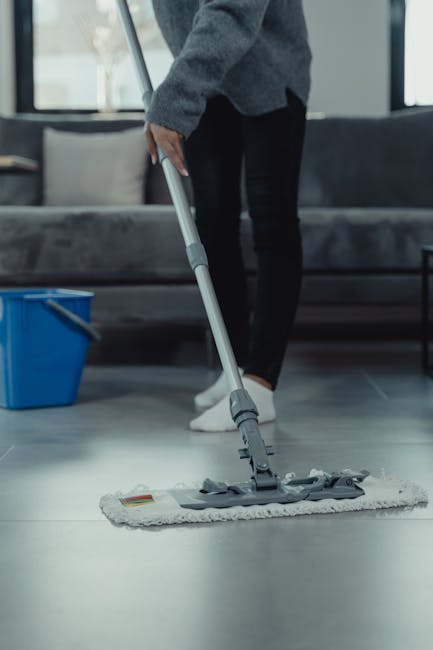
The process normally follows a room-by-room structure. Kitchens are stripped back and degreased. Bathrooms are descaled and sanitised. Bedrooms and living spaces are dusted top to bottom, with attention to edges, fittings, and hidden spots. Floors are vacuumed and mopped. Carpets may need additional treatment if they are stained, flattened, or carrying pet odour. For apartments with fabric furnishings or heavy curtains, a specialist may also recommend upholstery or curtain care. If that is relevant to your space, see the practical advice in our velvet curtain care guide.
Good cleaners also work with end-of-tenancy expectations in mind, not just general cleanliness. That means paying close attention to:
- inside and around appliances
- cupboard interiors and shelving
- bathroom fittings, seals, and grouting
- window sills, frames, and tracks where accessible
- light switches, sockets, handles, and door edges
- skirting, radiators, and hard-to-reach corners
In other words, it is detailed work. Not glamorous, but absolutely worthwhile.
Key Benefits and Practical Advantages
There are a few reasons people choose professional end of tenancy cleaning rather than trying to do everything themselves at the last minute. The first is quality. The second is speed. The third, honestly, is peace of mind.
Here is the practical version: a thorough clean can reduce the chance of a dispute, help the property present well during final inspection, and save you from those frantic late-night scrubbing sessions that somehow happen right before handover.
- Deposit protection: A cleaner property makes it easier to show you have left the home in a reasonable condition.
- Less stress: Moving is already messy enough without trying to deep-clean at the same time.
- Better attention to detail: Professionals work through a checklist rather than cleaning randomly.
- Faster turnaround: Useful if your move-out and move-in dates are close together.
- Better results on problem areas: ovens, bathroom grime, carpet marks, and sticky kitchen residues often need specialist treatment.
There is also a neat practical benefit that gets overlooked: a proper clean makes it easier to spot damage. Once dirt is removed, you can actually see what needs reporting, repairing, or photographing before you hand the keys over. That can save a lot of back-and-forth later.
Who This Is For and When It Makes Sense
End of tenancy cleaning is most obviously for tenants moving out of rented homes, but it is not only for them. Landlords preparing a property between lets, agents managing several units, and even homeowners selling a property can all benefit from the same level of detail. The local housing stock around W2 means there is no one-size-fits-all approach. Some homes are compact and modern. Others have older fittings, heavy carpets, or decorative details that gather dust in odd places.
This service makes the most sense when:
- you need the property ready for inventory or check-out
- the tenancy agreement expects a professional standard of cleanliness
- you do not have the time, tools, or energy for a deep clean
- you are dealing with built-up grime that ordinary cleaning does not shift
- there are carpets, upholstery, or fabrics that need more than a quick vacuum
It can also be a smart move if you are between homes and already juggling removals, utilities, forwarding addresses, and all the annoying little admin jobs nobody warns you about. If you want to understand how local living patterns shape these needs, take a look at a local's take on living in Bayswater and Bayswater's cultural mix. They are not cleaning guides, exactly, but they do help explain why properties here often need a more considered approach.
Step-by-Step Guidance
If you are planning a proper handover, the best way to think about end of tenancy cleaning is as a sequence. That sequence matters. Skipping steps is how jobs become half-done.
- Walk through the property first. Note stains, damage, limescale, grease, dust build-up, and any areas that need special treatment.
- Declutter and remove personal items. You cannot clean properly around boxes, loose cables, or bags of miscellaneous stuff that nobody wants to sort out.
- Start from the top. Dust high shelves, light fittings, picture rails, and upper corners before tackling lower surfaces.
- Work room by room. Clean one space fully before moving to the next. It keeps the job organised and stops dirt from being spread around.
- Deep-clean the kitchen. Focus on appliances, splashbacks, cupboard fronts, handles, sink fittings, and extractor areas.
- Sanitise bathrooms. Remove soap residue, rinse fixtures, treat limescale, and make sure seals and grouting are presentable.
- Deal with soft furnishings and floors. Vacuum, mop, and treat carpets or upholstery if needed.
- Check the details. Wipe switches, handles, ledges, skirting, and corners.
- Do a final inspection in daylight. Natural light reveals dust, streaks, and missed marks that artificial light hides. Annoying, but true.
A smart local approach also means thinking ahead. If carpets are heavily marked, for example, book them at the same time as the end of tenancy clean rather than leaving them to chance. The same goes for sofas or chairs that have absorbed general wear over time. For more on that, see carpet cleaning in Bayswater and upholstery cleaning in Bayswater.
Expert Tips for Better Results
The best end of tenancy results usually come from a combination of good timing, the right products, and a bit of patience. Not excitement. Patience. Two different things.
- Clean after the property is emptied. You will always do a better job when furniture is out of the way.
- Use the right cloth for the surface. Microfibre works well for many jobs, but delicate finishes need a gentler touch.
- Let cleaning products dwell briefly. Especially in kitchens and bathrooms, a short wait can loosen grime without harsh scrubbing.
- Work methodically on appliances. Fridges, ovens, and washing machine seals are classic inspection trouble spots.
- Ventilate rooms while cleaning. It helps surfaces dry and reduces that heavy chemical smell.
- Take photos once cleaned. A simple record can be useful if there is any disagreement after checkout.
One thing people often underestimate is how much attention the "in-between" parts of a room get during inspections: the top of door frames, the edge of a radiator, the lip of a bath panel, the narrow strip behind a bin. Nothing dramatic. Just enough to cause a problem if ignored. That is where professionals quietly earn their keep.
And yes, a final hoover pass can still uncover a surprising amount of dust. Every time.
Common Mistakes to Avoid
Most end of tenancy problems come from the same handful of mistakes. They are easy to make, especially when you are exhausted or short on time.
- Leaving the clean until moving day. By then, you are tired, the property is empty, and the pressure is on.
- Forgetting hidden areas. Behind appliances, inside cupboards, and around fittings are easy to overlook.
- Using the wrong product on the wrong surface. That can mark wood, dull shine, or leave residue behind.
- Assuming vacuuming is enough for carpets. It usually is not, especially if there are stains or embedded dirt.
- Ignoring bathroom build-up. Limescale and soap scum rarely disappear with one quick wipe.
- Not checking the tenancy agreement. Some agreements specify cleaning expectations more clearly than tenants realise.
A small but important point: if you are unsure whether a mark is wear and tear or damage, document it before cleaning aggressively. Some stains should be treated carefully, not attacked. That judgment call matters.
Tools, Resources and Recommendations
You do not need a van full of specialist equipment to do a decent job, but you do need the basics done well. For many homes, the core kit includes microfibre cloths, a vacuum with attachments, mop and bucket, non-abrasive sponges, glass cleaner, bathroom descaler, a grease-cutting kitchen cleaner, gloves, and bin bags. Add a scraper only if you know how to use it safely on the right surface. A little confidence goes a long way here; overconfidence, less so.
For more practical help from the same local site, it is worth browsing the wider services overview and the company's about us page if you want to understand the team and the wider approach. If you are weighing up costs or comparing service levels, the pricing and quotes information is also a sensible place to look.
If your move-out clean is part of a broader cleaning plan, you might also find it useful to read about domestic cleaning in Bayswater, house cleaning in Bayswater, or even office cleaning in Bayswater for a sense of how different cleaning needs are handled across property types.
Law, Compliance, Standards, or Best Practice
When people talk about end of tenancy cleaning in the UK, they often mean more than just "make it look tidy." The practical standard is usually tied to the tenancy agreement, the inventory report, and what would be considered a reasonable return condition given the property's starting state. That is why good cleaners work to a documented checklist. It helps align expectations and reduces dispute risk.
There are a few best-practice principles worth keeping in mind:
- Match the original condition as closely as reasonably possible.
- Keep a record of what has been cleaned.
- Flag pre-existing wear, stains, or damage.
- Avoid unsafe cleaning methods on fragile surfaces.
- Use cleaning products and equipment responsibly.
Health and safety also matters, especially in enclosed flats or older buildings where ventilation can be limited. Reputable cleaners should work in line with sensible safety practices, take care on ladders or step stools, and avoid leaving wet floors where someone could slip. If you want more detail on the company's approach to this side of the work, see the health and safety policy and insurance and safety pages.
There is no need to make this complicated. The principle is simple: clean thoroughly, clean safely, and leave clear evidence of what was done.
Options, Methods, or Comparison Table
Not every move-out situation needs the same level of help. Some people only need a final deep clean, while others benefit from a full service that includes carpets and upholstery. Here is a practical comparison.
| Option | Best for | Strengths | Limitations |
|---|---|---|---|
| DIY end of tenancy clean | Small, lightly used properties | Lower upfront cost; you control the timing | Easy to miss detail areas; time-consuming; physically demanding |
| Standard professional clean | Most flats and homes in W2 | More consistent results; checklist-based; less stress | May not cover specialist stain removal unless arranged |
| Deep clean with add-ons | Properties with carpets, upholstery, or heavy kitchen build-up | Better for move-out inspections; addresses stubborn issues | Costs more than a basic clean |
In many Bayswater Road properties, the second or third option is the sensible one. The right choice depends on the condition of the home, how long you have lived there, and what the landlord or agent is likely to inspect closely. If you are in doubt, it is usually better to over-prepare than under-prepare. Mild overkill beats a deposit deduction. Every time.
Case Study or Real-World Example
Imagine a two-bedroom flat just off Bayswater Road. The tenants have moved most of their belongings out by late afternoon, but the kitchen still shows the signs of daily life: cooking grease around the hob, crumbs in drawer corners, a slightly cloudy sink, and a fridge seal that has collected sticky residue. The bathrooms are not filthy, but there is visible limescale on taps and shower glass, plus dust around the extractor grille. The living room carpet looks fine at first glance, until you see the traffic marks near the sofa and the darker patch by the doorway.
In a case like that, a professional end of tenancy clean would not start with spraying everything in sight. It would begin with the kitchen, because that is usually the hardest room to recover quickly. Then bathrooms, then living areas, then floors and carpets, with a final pass for edges and fittings. If upholstery or curtains were part of the room's overall appearance, those would be checked too.
The practical value here is not magic. It is consistency. The place starts to look "reset" rather than just "pretty clean." That difference is exactly what matters at checkout.
We have seen situations where a tenant did an excellent surface clean but missed inside the oven and the top of the extractor hood. Everything else looked fine, but those two areas caused avoidable friction. A frustrating little thing, honestly. Yet it happens all the time.
Practical Checklist
Use this checklist before handing back the keys. If you can tick most of these off, you are in good shape.
- All personal belongings removed
- Bins emptied and waste taken out
- Kitchen cupboards wiped inside and out
- Oven, hob, extractor, and splashback cleaned
- Fridge and freezer emptied, defrosted if needed, and wiped down
- Bathroom suite cleaned, descaled, and dried
- Mirrors and glass left streak-free
- Skirting boards, switches, and handles wiped
- Floors vacuumed and mopped
- Carpets treated for stains if required
- Soft furnishings checked for marks or dust
- Windowsills, frames, and corners inspected
- Any damage photographed and noted separately
- Final walk-through completed in good light
Practical summary: if the property looks clean in daylight, smells fresh without being overpowering, and the hidden spots have been checked, you are much closer to a smooth checkout. That is the real aim.
Conclusion
Bayswater Road end of tenancy cleaning experts W2 are there to solve a very specific problem: how to leave a rented property in a condition that stands up to inspection without exhausting yourself in the process. In a busy part of London, where homes can be compact, detailed, and well-used, that kind of careful cleaning is more than a convenience. It is a practical safeguard.
The main thing to remember is this: a proper end of tenancy clean is about thoroughness, timing, and attention to the small details that others notice first. If you plan early, use the right help, and keep a simple checklist, you make the whole move-out process calmer. Less rushing. Fewer surprises. Better odds of a clean handover.
Get a free quote today and see how much you can save.
And if your move is happening right now, take a breath. One good clean, one final check, then you are done. There is something satisfying about that, really.
Frequently Asked Questions
What does end of tenancy cleaning usually include?
It typically covers a full deep clean of the kitchen, bathrooms, bedrooms, living areas, floors, skirting, fittings, and other commonly inspected surfaces. Some jobs also include carpet or upholstery treatment if those items need attention.
How is end of tenancy cleaning different from regular house cleaning?
Regular cleaning keeps a home tidy on an ongoing basis. End of tenancy cleaning is more detailed and is focused on returning the property to an inspection-ready condition, often with a much stronger focus on hidden areas, build-up, and appliance cleaning.
Do I need professional end of tenancy cleaning to get my deposit back?
Not always, but a professional clean can reduce the risk of disputes if the tenancy agreement expects a high standard. The important factor is whether the property is left in the condition required by the agreement and inventory.
How long does an end of tenancy clean take?
It depends on the size of the property, how dirty it is, and whether extras like carpets or upholstery are included. A small flat may be completed fairly quickly, while a larger home or a property with heavy build-up will take longer.
Should I clean before or after moving my furniture out?
After, ideally. A cleared property is much easier to clean thoroughly, and you are less likely to miss dust, marks, or debris hidden behind furniture and appliances.
What are the hardest areas to clean in a rented property?
Kitchens and bathrooms usually take the most work. Ovens, extractor fans, limescale, soap residue, grout, fridge seals, and cupboard interiors are common problem spots. Carpets can also be tricky if they have stains or worn areas.
Can carpet cleaning be added to an end of tenancy clean?
Yes, and in many cases it is a very sensible add-on. Carpets often hold traffic marks and deep dirt that a vacuum alone will not remove, so they can benefit from specialist treatment.
What should I do if there is existing damage or heavy wear?
Document it before the final clean if possible. Photos and notes can help separate pre-existing issues from cleaning responsibilities, which is useful if the property manager raises questions later.
How do I know whether the clean is good enough for checkout?
A good rule is to inspect the property in natural daylight and check the same areas a landlord or agent is likely to inspect: kitchen appliances, bathroom fittings, windowsills, edges, and floor corners. If those areas look consistently clean, you are in a strong position.
What if I only have one day before handing back the keys?
Then prioritise the high-risk areas first: kitchen, bathroom, floors, and visible surfaces. If you can, get help with the deep-cleaning parts rather than trying to do everything badly in a rush. That usually works out better than a frantic all-nighter.
Are end of tenancy cleaning services useful for landlords too?
Yes. Landlords often need a reliable turnaround between tenants, especially in busy rental areas like W2. A professional clean helps present the property well and makes the next letting cycle smoother.
Where can I learn more about related cleaning services in Bayswater?
You can explore the wider local service pages and company information, including end of tenancy cleaning in Bayswater, the services overview, and the company's about us page for background. It is a handy way to compare what is included before you book.